Plumbing · Tavernier, FL
Newline Plumbing matches repair methods to the actual pipe condition rather than applying a single fix across every property. Technicians document findings so property owners understand why a particular section failed.
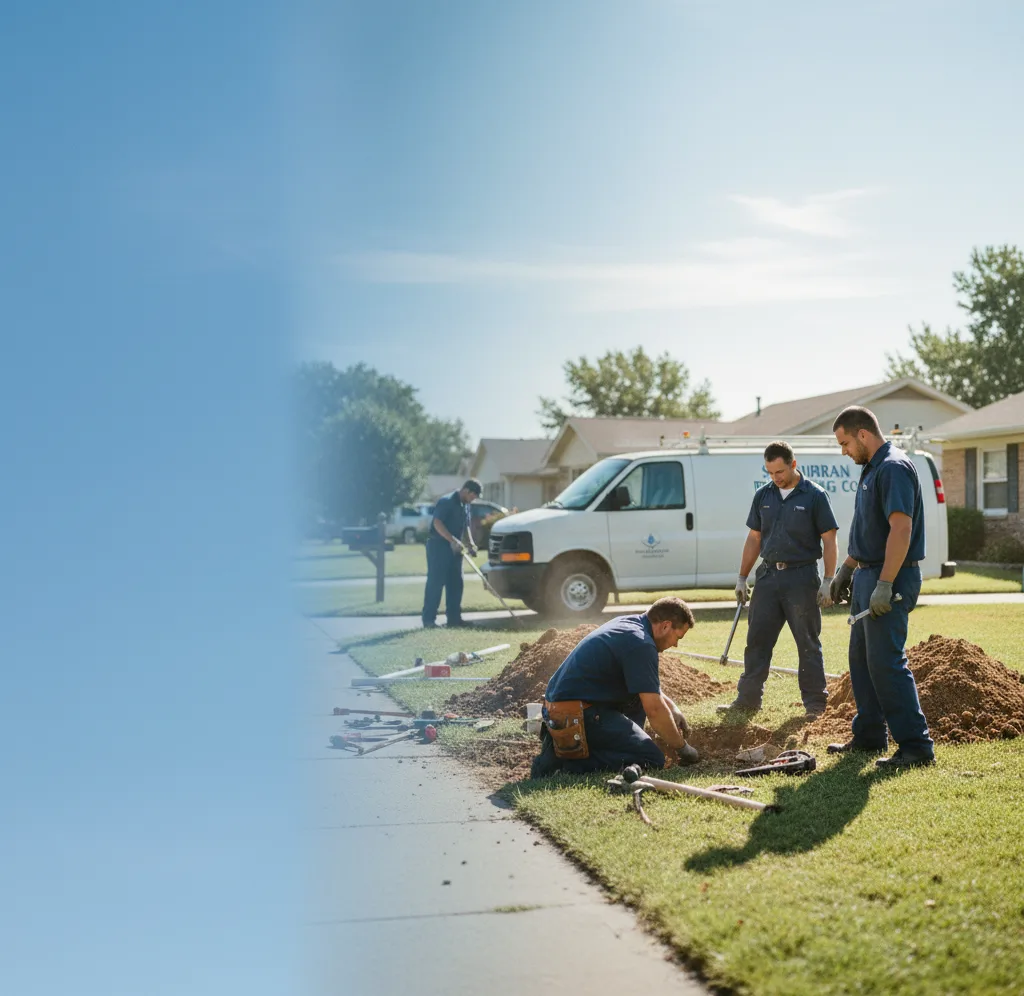
Homeowners often notice sudden drops in water pressure or pools forming near fixtures and appliances. A technician begins by shutting off the main supply if needed, then isolates the affected section through a series of valve tests. Once isolated, the line is examined with cameras or pressure gauges to determine whether the issue stems from a joint failure, corrosion, or a cracked fitting. Replacement parts are matched to the existing pipe material so that the repair maintains the original flow capacity. After the fix, the system is restored gradually while monitoring nearby connections for any secondary leaks that may have been hidden by the initial problem.
Slab leaks frequently appear under older concrete foundations where shifting soil places stress on copper or galvanized lines. Toilets and water heaters develop slow seepage at supply valves that goes unnoticed until flooring begins to warp. Outdoor hose bibs can split during temperature swings, sending water along exterior walls. A visual inspection of exposed piping, combined with listening for running water when all fixtures are off, helps residents identify whether professional leak detection is required.
The type of soil under a house decides how much its foundation moves over the years. The ground here consists of loam that drains slowly. This affects how underground lines settle and where leaks are most likely to appear during an emergency call.
That quality influences corrosion rates inside older pipes and the speed at which mineral buildup can restrict flow. The local pattern is hot summers and mild winters. Temperature swings and moisture levels determine when exterior lines are most vulnerable to sudden failure.
Plumbers must adapt repair methods to the actual ground, water, and weather they encounter on each job.
FAQ

Yes, turning off the power at the breaker or the gas supply valve is safe and can prevent further damage if a leak is present. Leave the cold-water inlet valve open unless water is actively running out of the unit. We will handle the rest of the shutdown steps once on site.
The most common reasons are a failed heating element, a tripped high-limit switch, or a thermostat that no longer reads temperature correctly. Sediment that has built up around the element can also prevent heat transfer. A quick test with a multimeter or voltage checker usually shows which part has stopped working.
Visible rust on the exterior, repeated leaks at the seams, or an age over ten to twelve years are strong indicators that the tank lining has deteriorated. When the cost of repeated repairs approaches the price of a new unit, replacement is often the more practical choice. We can measure the remaining life of the anode rod during a visit to help judge the tank's condition.
Water Heater Repair & Plumber across Tavernier, FL. Call (888) 328-1748.
Call (888) 328-1748